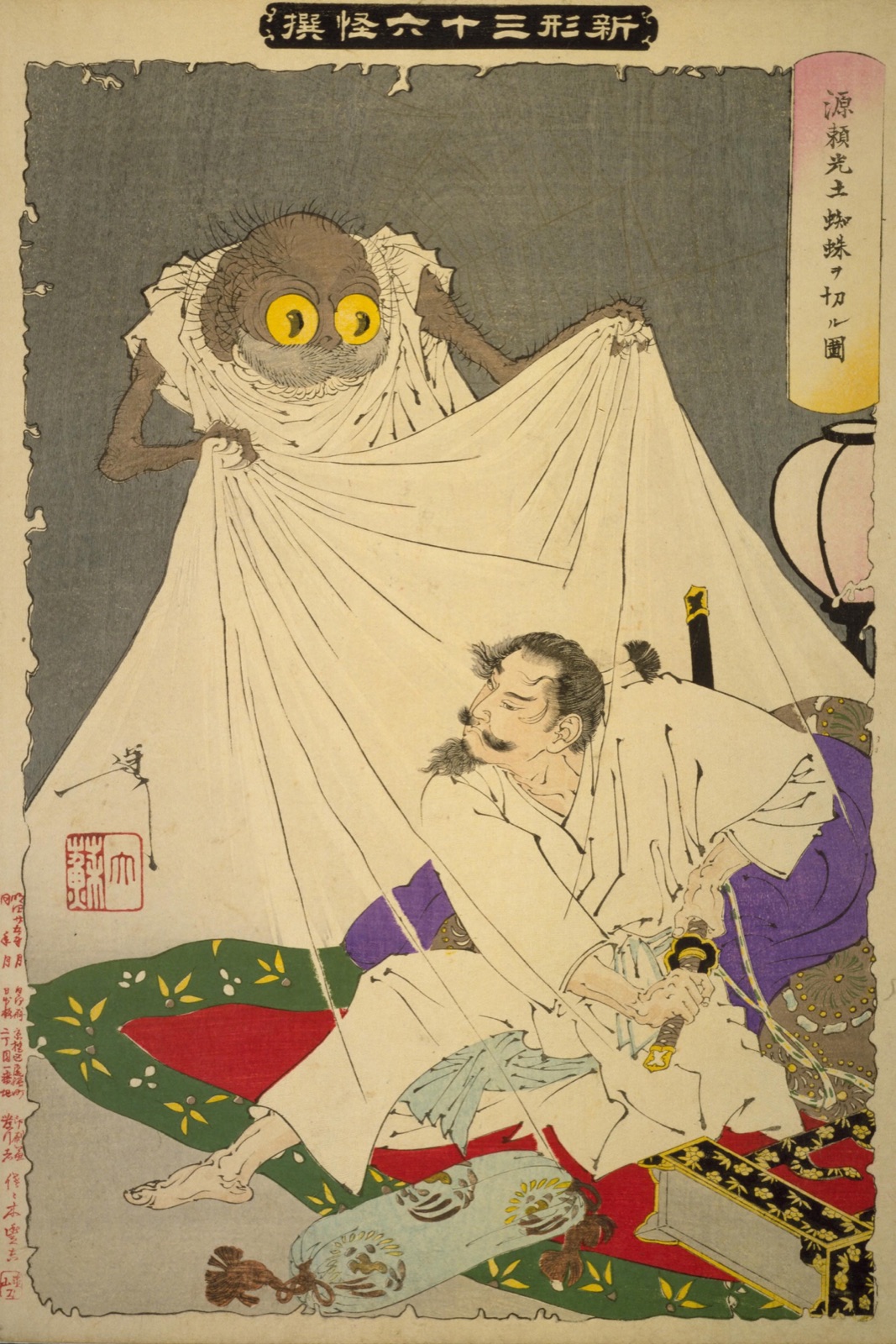
Yokai, Kitsune, Chibi: 8 Japanese Words You Already Know — Drawn in Edo
Manga, chibi, emoji, yokai, kitsune — eight Japanese words that live inside English, each one set beside the Edo woodblock print behind it.
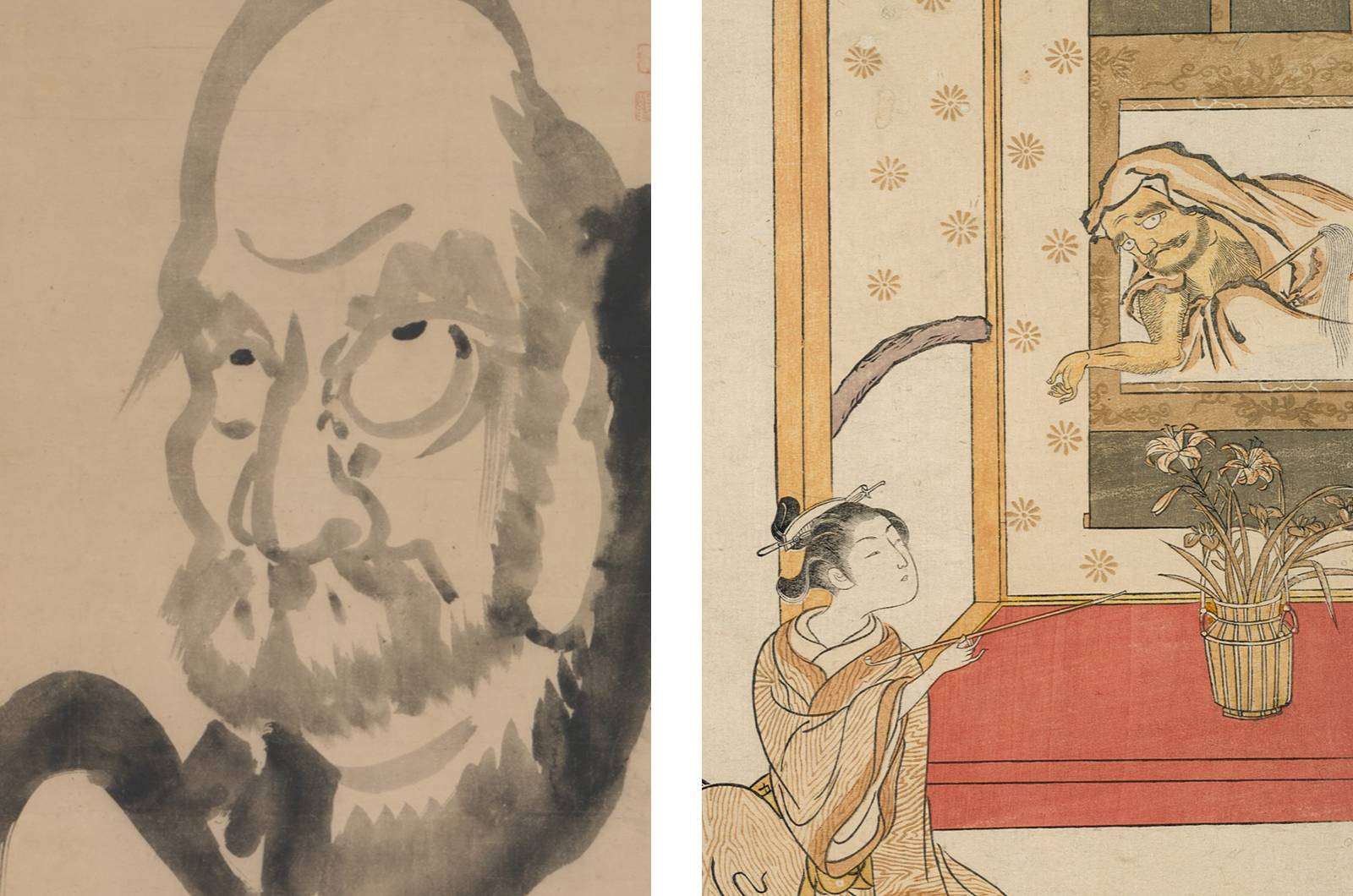
Zen Painting and Ukiyo-e: Opposite Answers, Same Era
Zenga — paintings by Zen monks, never made to be sold — belong to the same years as ukiyo-e. Hakuin's staring Daruma, Sengai's laughing monks, and what they change about ukiyo-e.
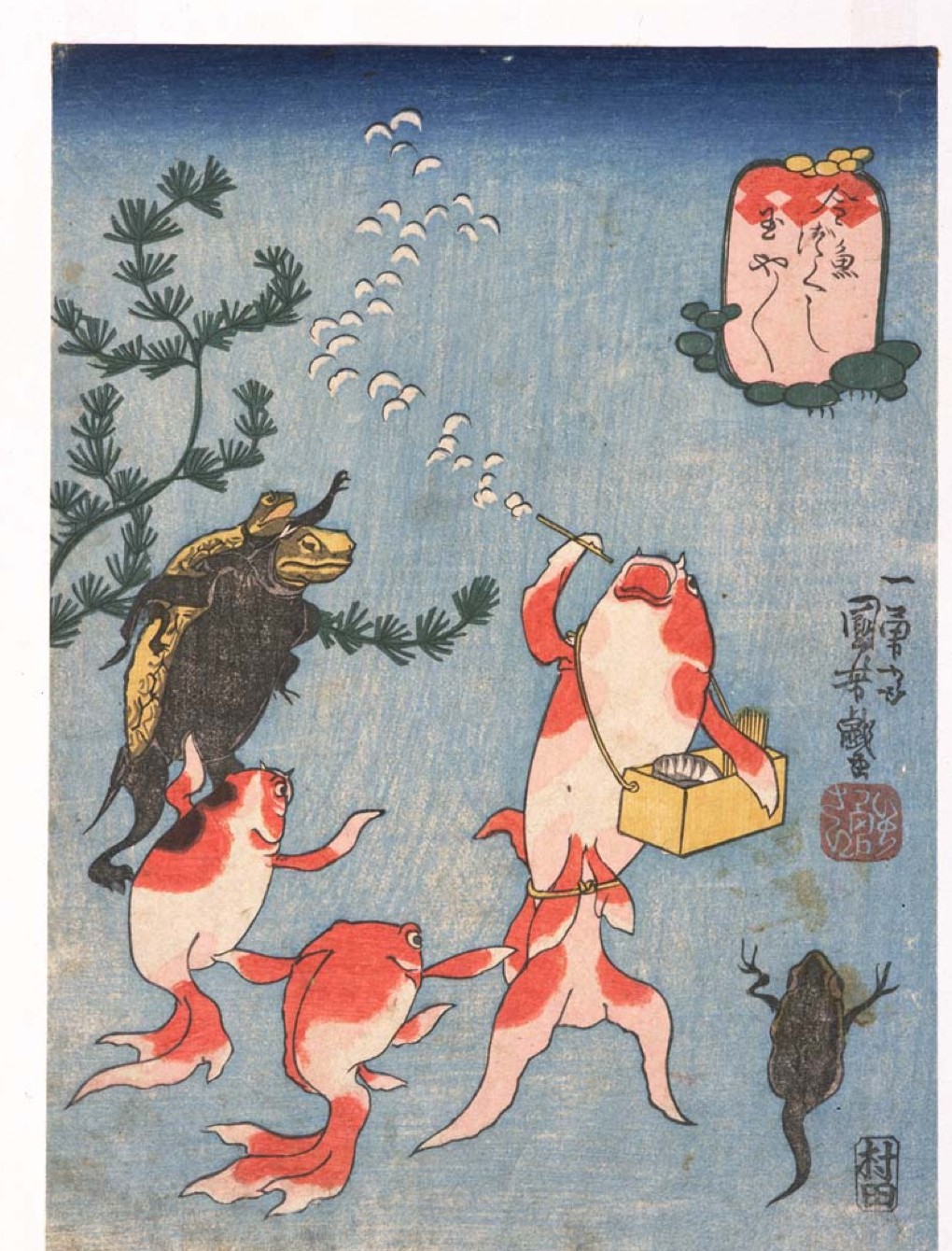
More Than Pretty Pictures: The Hidden Meanings, Humor, and Resistance in Ukiyo-e
Pine trees mean longevity. Kimono patterns reveal identity. Banned actors became cats. Learn to read the symbols and hidden jokes inside ukiyo-e prints.
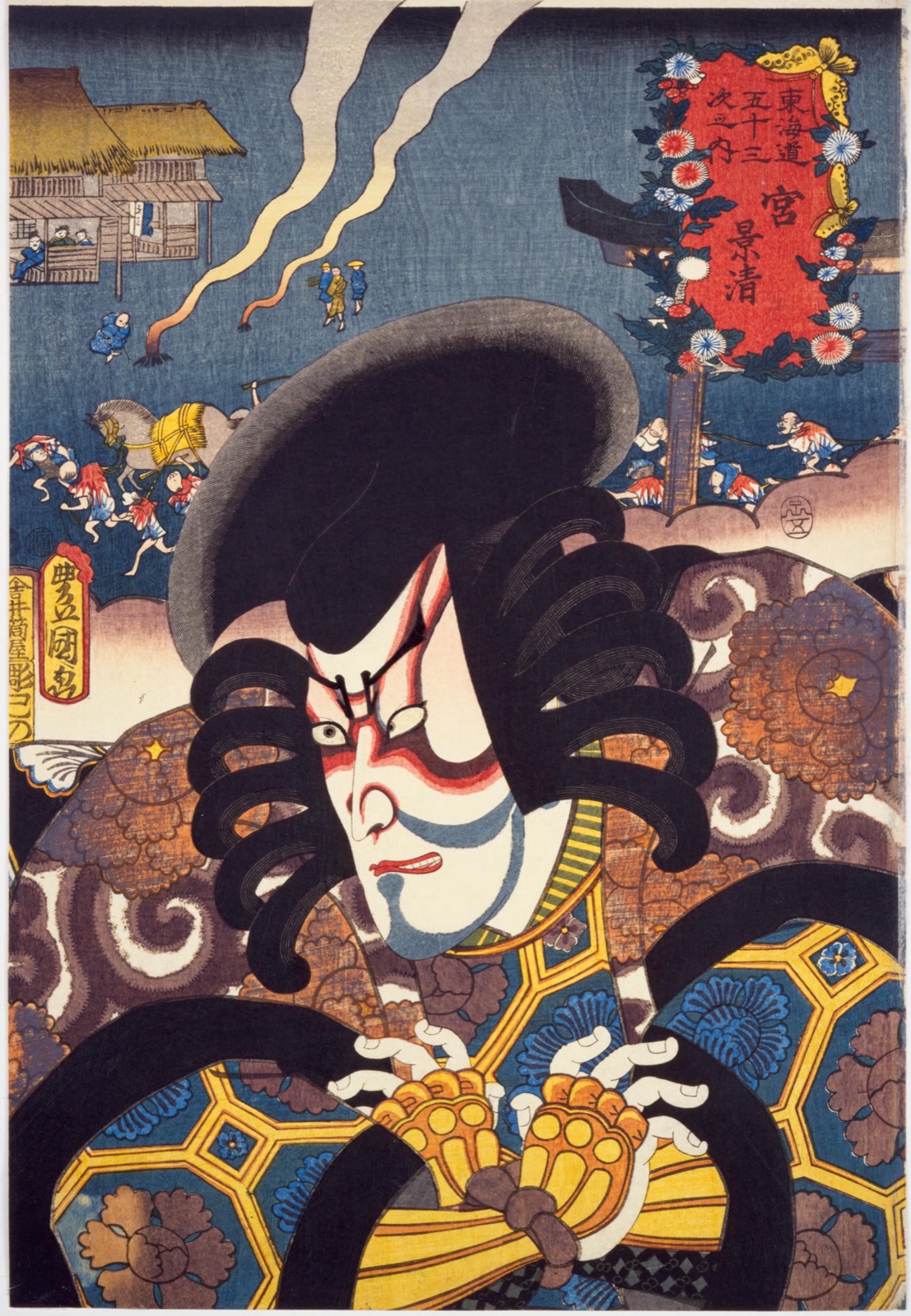
Ukiyo-e and Kabuki: Edo's Original Fan Culture
Buying actor prints, displaying them at home, talking about the new season — Edo had all of it. How ukiyo-e and kabuki built Japan's first pop culture.
- 01 Jul, 2026
- |
- |
-
 Aiiro
Aiiro
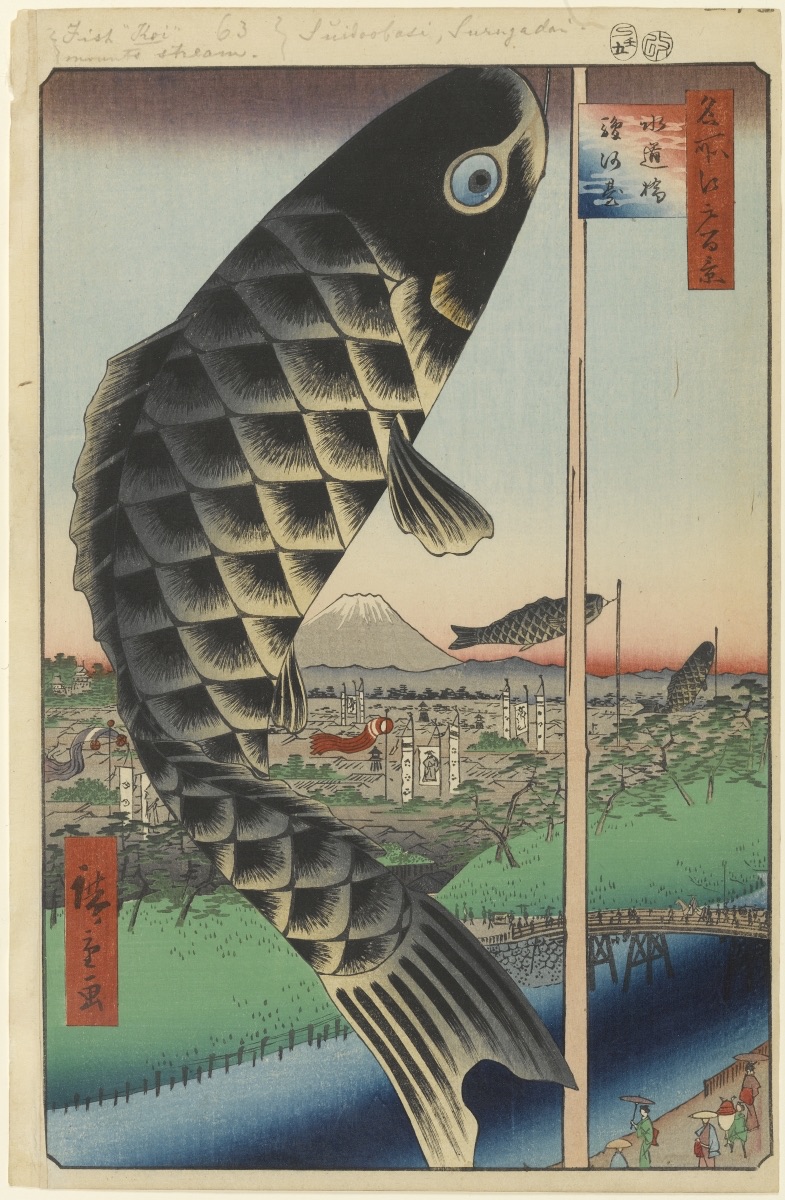
Hiroshige's One Hundred Famous Views of Edo: The Prints That Inspired Van Gogh
A guide to Hiroshige's final masterwork — 119 views of a vanishing Edo, the two prints that changed Van Gogh, and where to see them today.
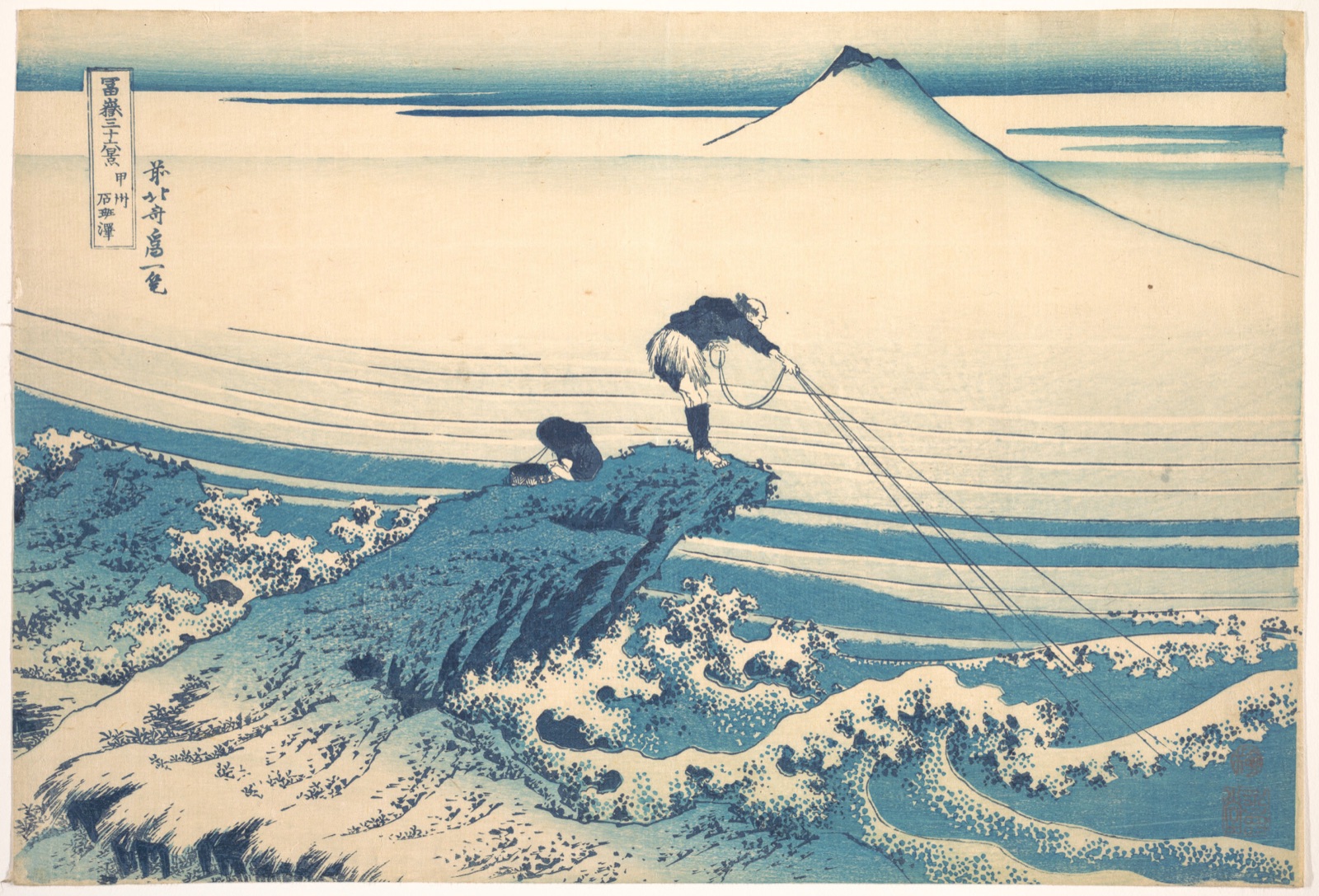
Aiiro: The Blue That Changed Ukiyo-e
The deep blue of Japanese woodblock prints traveled from a German lab accident to Hokusai, Hiroshige, and Van Gogh — the story of the color that changed ukiyo-e.
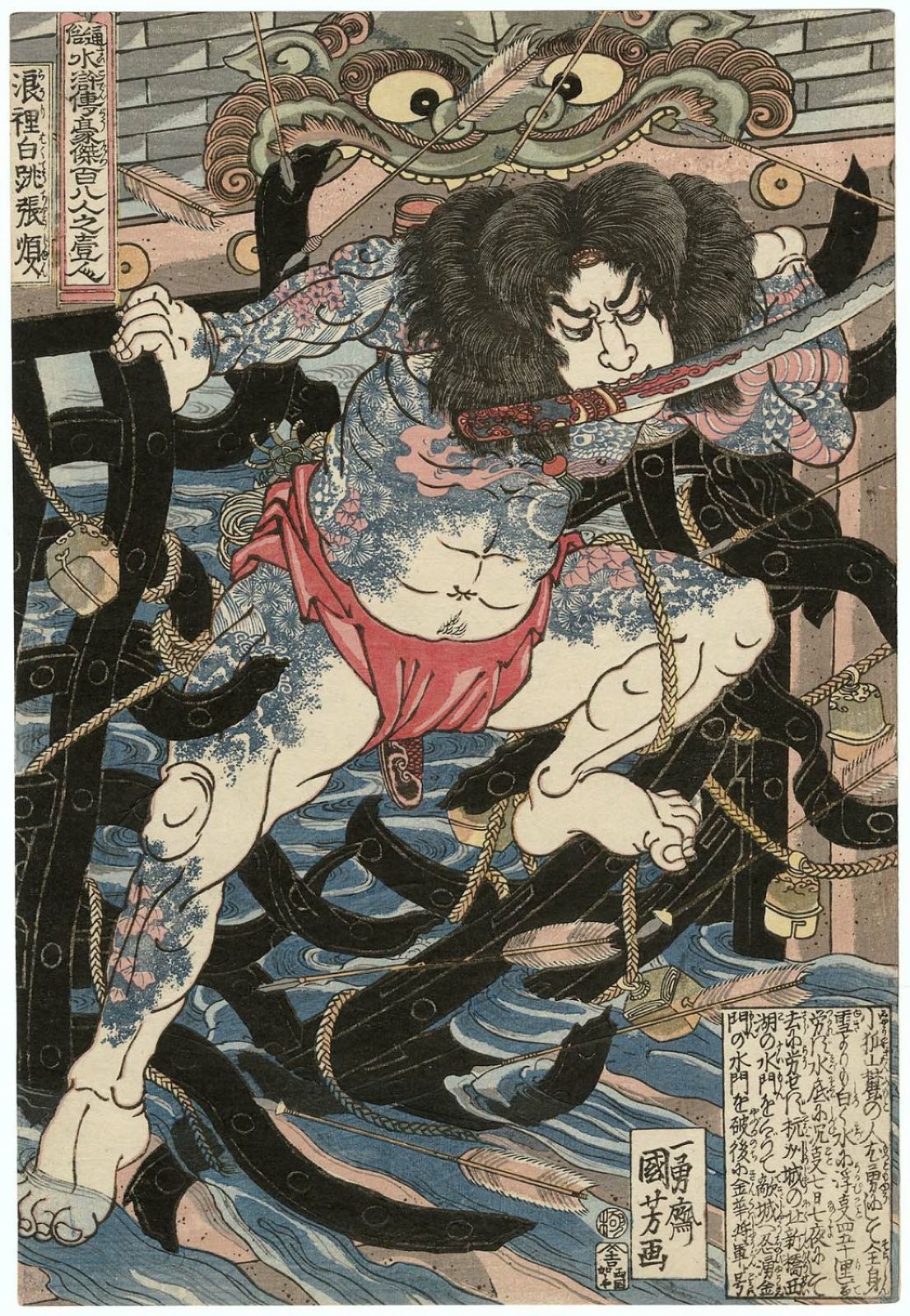
Kuniyoshi: Cats, Skeletons, and Satire — Meet Ukiyo-e's Great Outsider
Fierce warrior prints, a colossal skeleton, political cartoons slipped past the censors, and an overwhelming love of cats — Kuniyoshi was unlike any other ukiyo-e artist. Here's why his work still feels completely alive.