Where did the ghost in The Ring come from? What about the spirits in Miyazaki’s films — neither good nor evil, operating by their own mysterious logic? Or the meticulously rendered demons of Demon Slayer and Jujutsu Kaisen?
The answer, in each case, runs back to Edo.
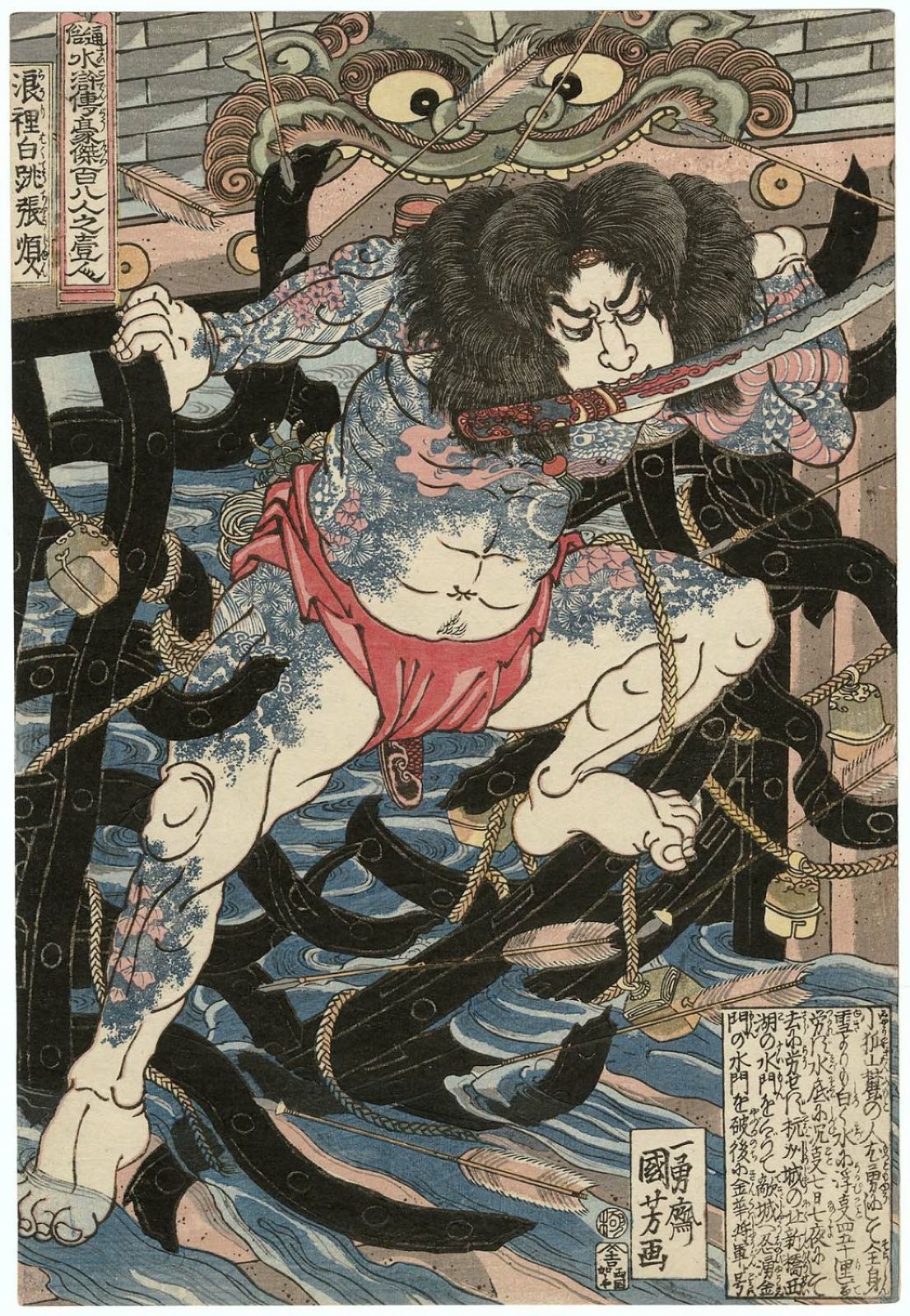
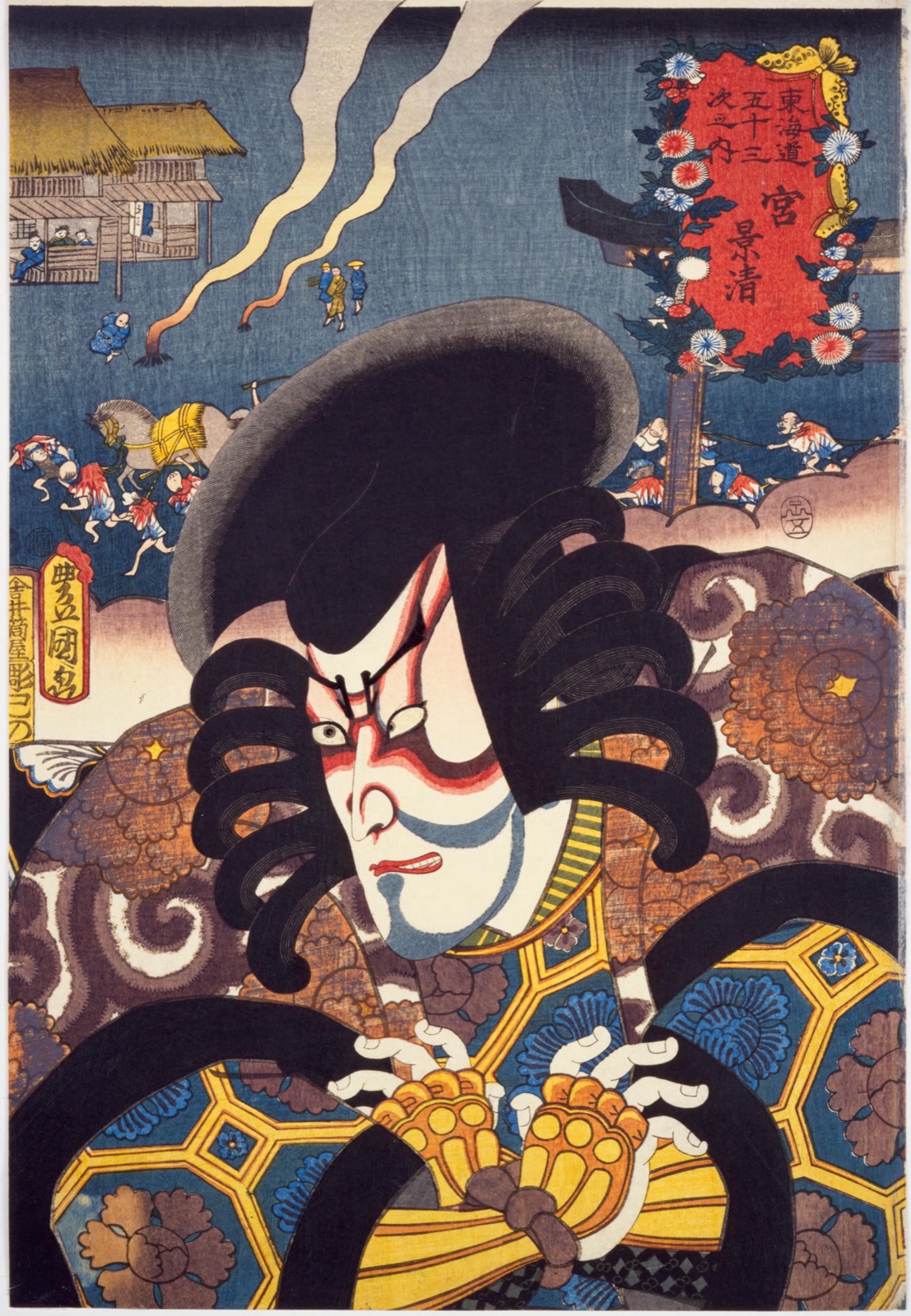
Ukiyo-e artists spent centuries developing a visual language for the supernatural — one that was terrifying and beautiful at once, that made room for grief and humor alongside dread. That language didn’t stay in the past. It’s still being written today, in horror films, in animation, in manga. Once you see the connection, you can’t unsee it.
1. Why Japanese Ghosts Have No Feet
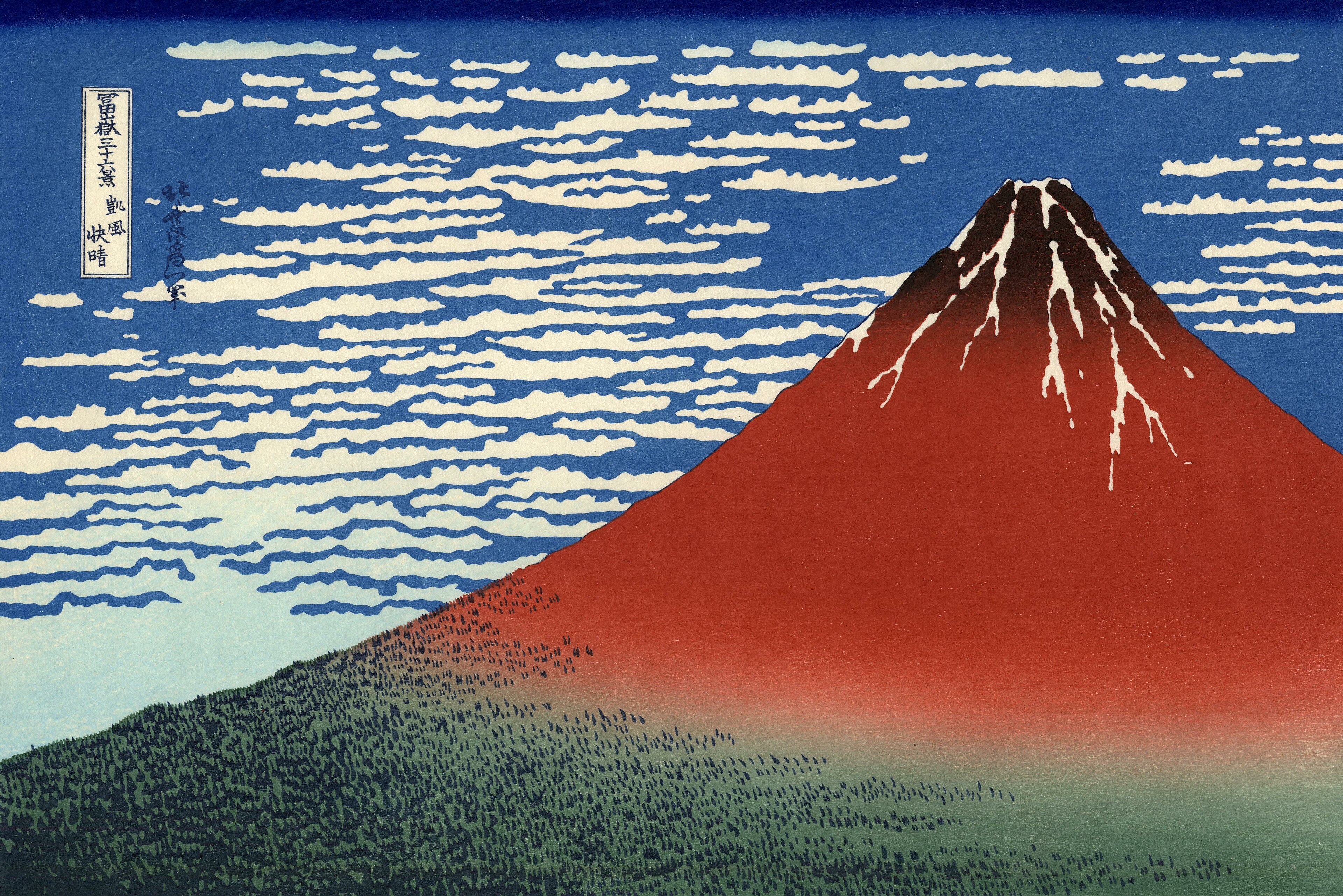
Japanese ghost paintings have a defining characteristic: the ghost has no feet.
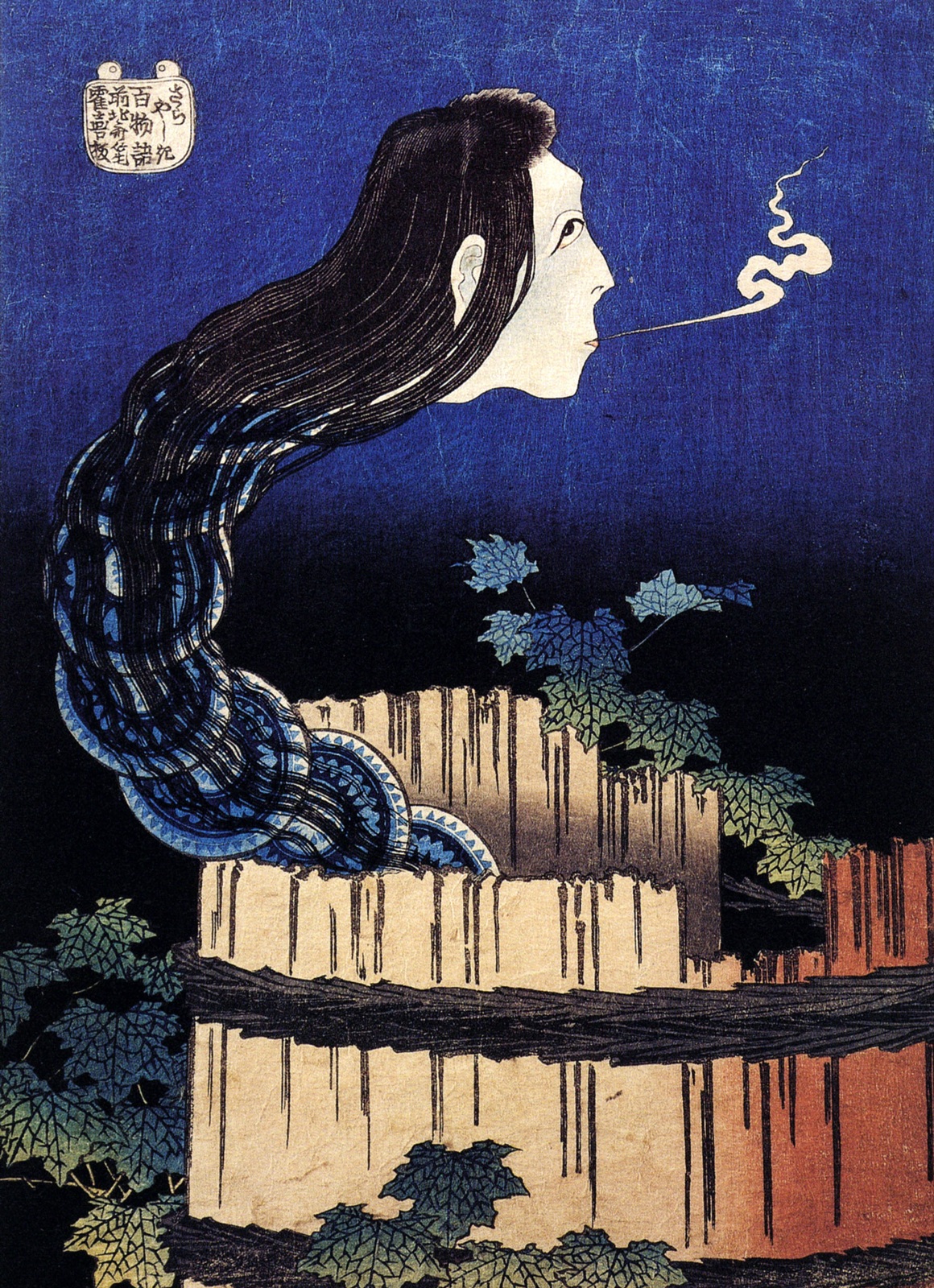
This convention is credited to the eighteenth-century painter Maruyama Ōkyo, who helped establish the footless spirit as the standard visual form. The logic is quietly poetic: a being without feet cannot stand on the earth. It floats between worlds — not fully present, not fully gone, suspended in that gap between the living and the dead.
What makes Japanese ghost imagery distinctive isn’t just the fear it generates — it’s the grief that runs underneath. These are almost always beings who couldn’t let go. That complexity sets them apart from Western horror’s monsters, which tend toward pure menace.
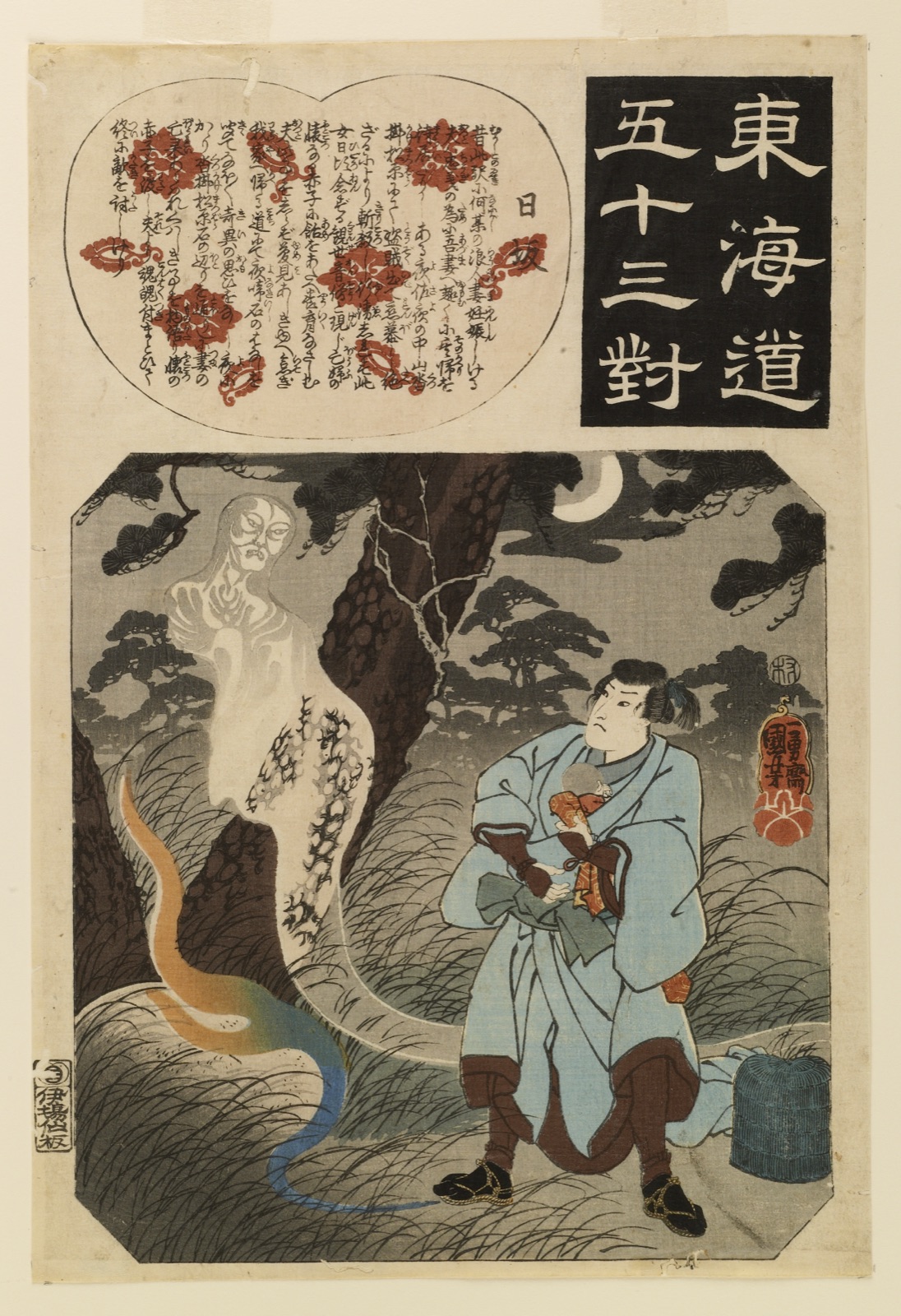
And the form itself has lasted. Sadako in The Ring, Kayako in Ju-On — long dark hair, a connection to water, a woman’s deep and terrible attachment — these are direct descendants of the tradition Ōkyo and his contemporaries established. The visual grammar of Japanese supernatural fear is over two hundred years old and still current.
2. Hokusai’s Ghost Series — The Root of J-Horror
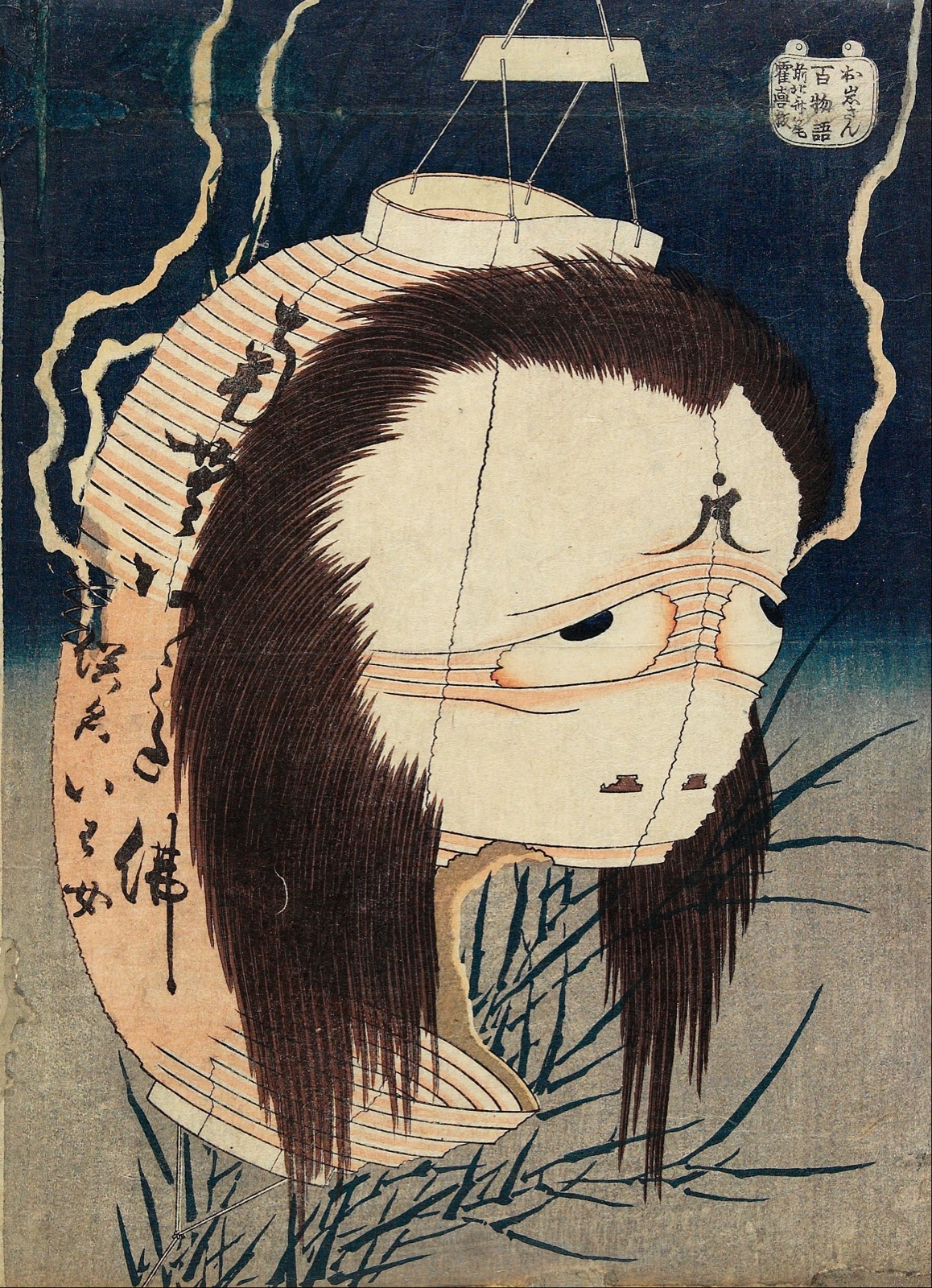
In 1831–32, Hokusai produced a series of five ghost prints called Hyaku Monogatari — “One Hundred Ghost Stories.”
The name comes from an Edo parlor game: light one hundred candles, tell a ghost story, extinguish one flame. Repeat until only darkness remains — and whatever appears in that final darkness is real. It’s a beautifully constructed premise for fear.
Hokusai’s print of Oiwa is the most famous of the five. Oiwa, poisoned by her husband, her face grotesquely transformed, returns as a spirit of vengeance. Long hair, water, a woman’s consuming rage — the first time I saw this print, I heard myself say, quietly, this is frightening. The elements that define J-horror are all here, laid out with complete confidence. The lineage from this print to The Ring is not a metaphor; it’s a direct line.
3. Kuniyoshi’s Skeleton — And What Came After
Utagawa Kuniyoshi’s Takiyasha the Witch and the Skeleton Spectre (c. 1844–48) is one of the most arresting images in all of ukiyo-e history.
A colossal skeleton rises in a ruined palace, looming over three warriors. The bones are rendered with painstaking precision — each one individually described, the eye sockets hollow and alive with something. The scale is overwhelming. I stood in front of this triptych once and just stopped moving.
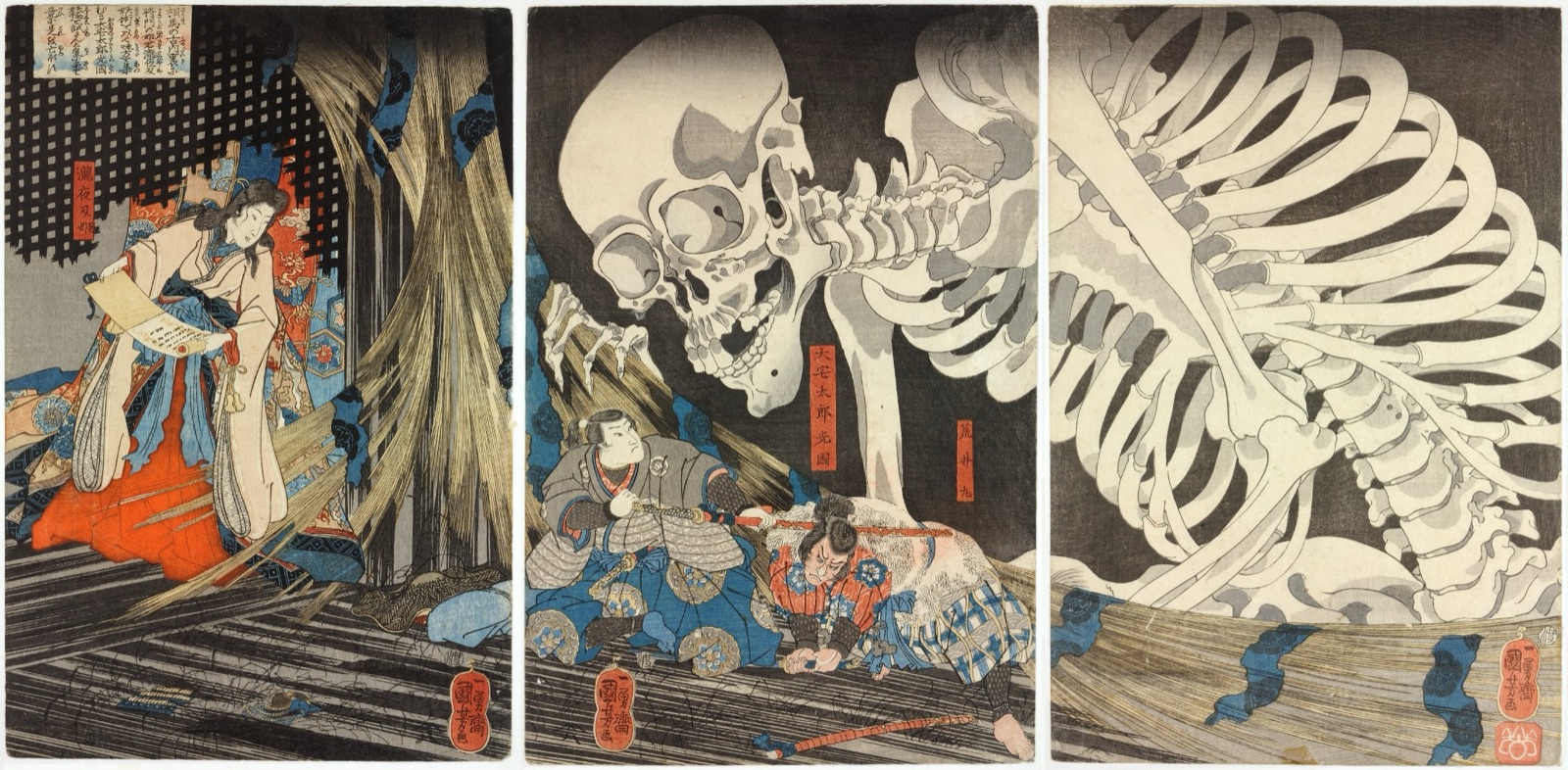
The craft here is extraordinary. But what struck me afterward was how familiar it felt — not in a derivative way, but in a genealogical one. The meticulously detailed supernatural creature; the body that is monstrous and beautiful at the same time; the hero confronting something that exceeds human scale. You can trace a line from this skeleton through to the demon designs in Demon Slayer, the cursed spirits of Jujutsu Kaisen, the extraordinary creature design that runs through contemporary manga and anime.
4. What Yōkai Actually Are
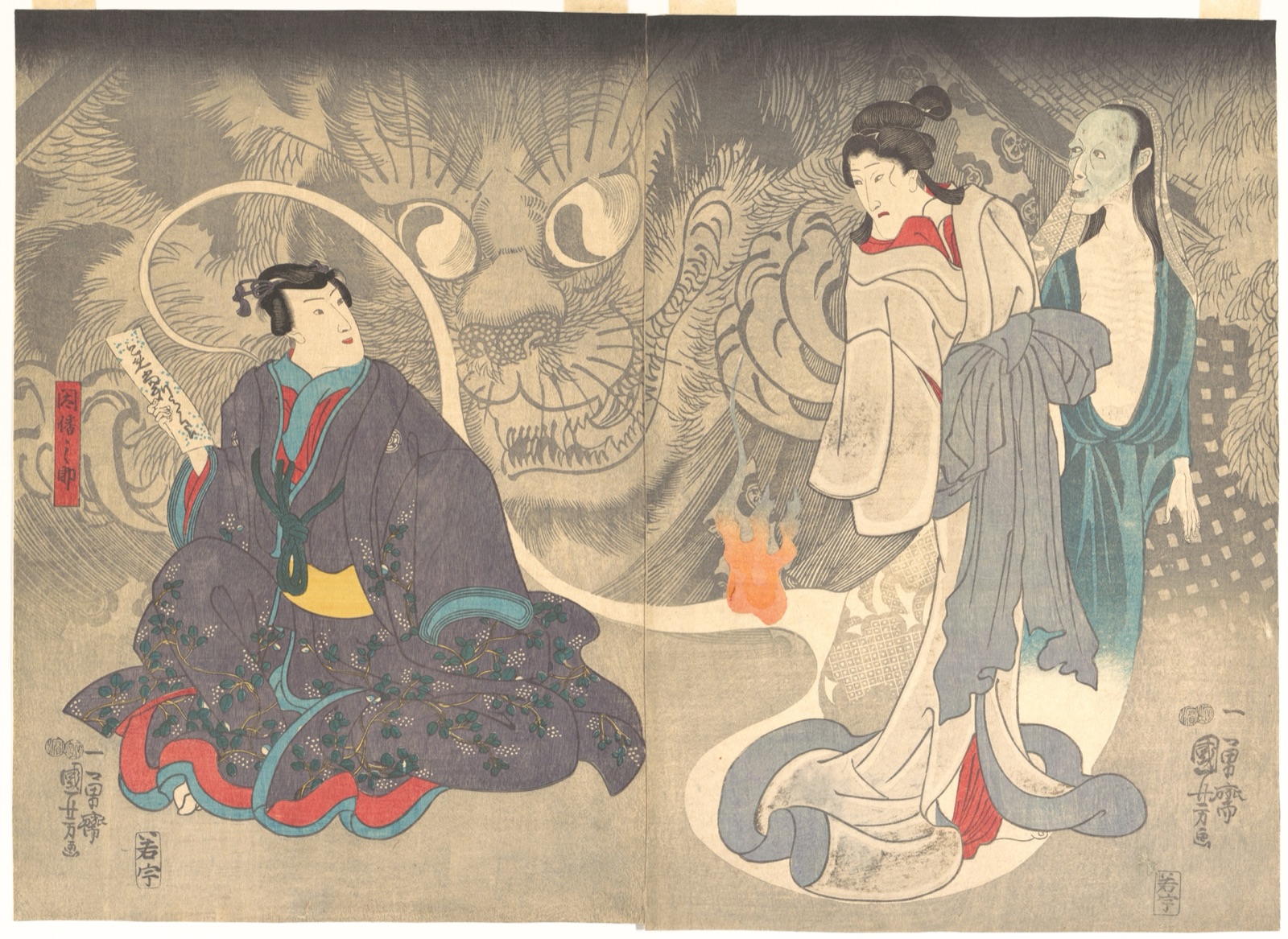
The Japanese concept of yōkai is worth sitting with for a moment, because it doesn’t translate cleanly into “monster.”
Yōkai are not simply evil. They are strange. They include beings that delight in startling people, embodiments of natural forces, household objects that have developed consciousness after a hundred years (tsukumogami). Some are terrifying. Some are comic. Some are just sad. The category makes room for all of it.
Miyazaki’s Totoro is a yōkai. So are the gods in Spirited Away, the forest spirits in Princess Mononoke. None of them are villains. They exist by different rules than humans, in a world that is richer and stranger for their presence. That sensibility — the supernatural as complex rather than simply threatening — is what separates Japanese ghost and monster art from most of its Western equivalents. It’s also what makes Ghibli films feel the way they do.
5. The Lineage, Mapped
Lay it all out and the connections become hard to ignore:
- The footless ghost, the vengeful woman → J-horror (The Ring, Ju-On)
- The precisely rendered skeleton and demon → Demon Slayer, Jujutsu Kaisen
- The morally complex supernatural being → Studio Ghibli, Natsume’s Book of Friends
- The vast catalog of named supernatural entities → GeGeGe no Kitarō, and the whole tradition of yōkai media
Shigeru Mizuki’s GeGeGe no Kitarō draws directly from Edo-period yōkai encyclopedias. The tradition is explicit, and alive.
Ukiyo-e ghost and monster prints aren’t historical artifacts. They’re source material — still being drawn from, still generating new work.
A Final Thought
Edo’s people loved frightening things. They built elaborate social rituals around fear: the candle game, the summer ghost story, the theater performance designed to make the audience scream.
What they left behind in their woodblock prints — in Hokusai’s ghosts, Kuniyoshi’s monsters, the footless women floating at the edge of the world — is not just documentation of those pleasures. It’s the foundation of something that’s still being built.
Best experienced in summer. Or October, if you can.
References
- The Metropolitan Museum of Art, “Japanese Ghosts and Demons” — metmuseum.org
- Michael Dylan Foster, The Book of Yokai, University of California Press, 2015
Image Credits
- Cover: Katsushika Hokusai, One Hundred Ghost Stories: Sarayashiki, 1831–32 — Public domain via Wikimedia Commons
- Section 1: Utagawa Kuniyoshi, Fifty-three Pairings along the Tōkaidō: Nissaka, c. 1845 — Public domain via Wikimedia Commons (Walters Art Museum)
- Section 2: Katsushika Hokusai, One Hundred Ghost Stories: Oiwa, 1831–32 — Public domain via Wikimedia Commons
- Section 3: Utagawa Kuniyoshi, Takiyasha the Witch and the Skeleton Spectre (相馬の古内裏), c. 1844–48 — Public domain via Wikimedia Commons
- Section 4: Utagawa Kuniyoshi, Scene from a Ghost Story: The Okazaki Cat Demon, c. 1850 — Public domain via The Metropolitan Museum of Art