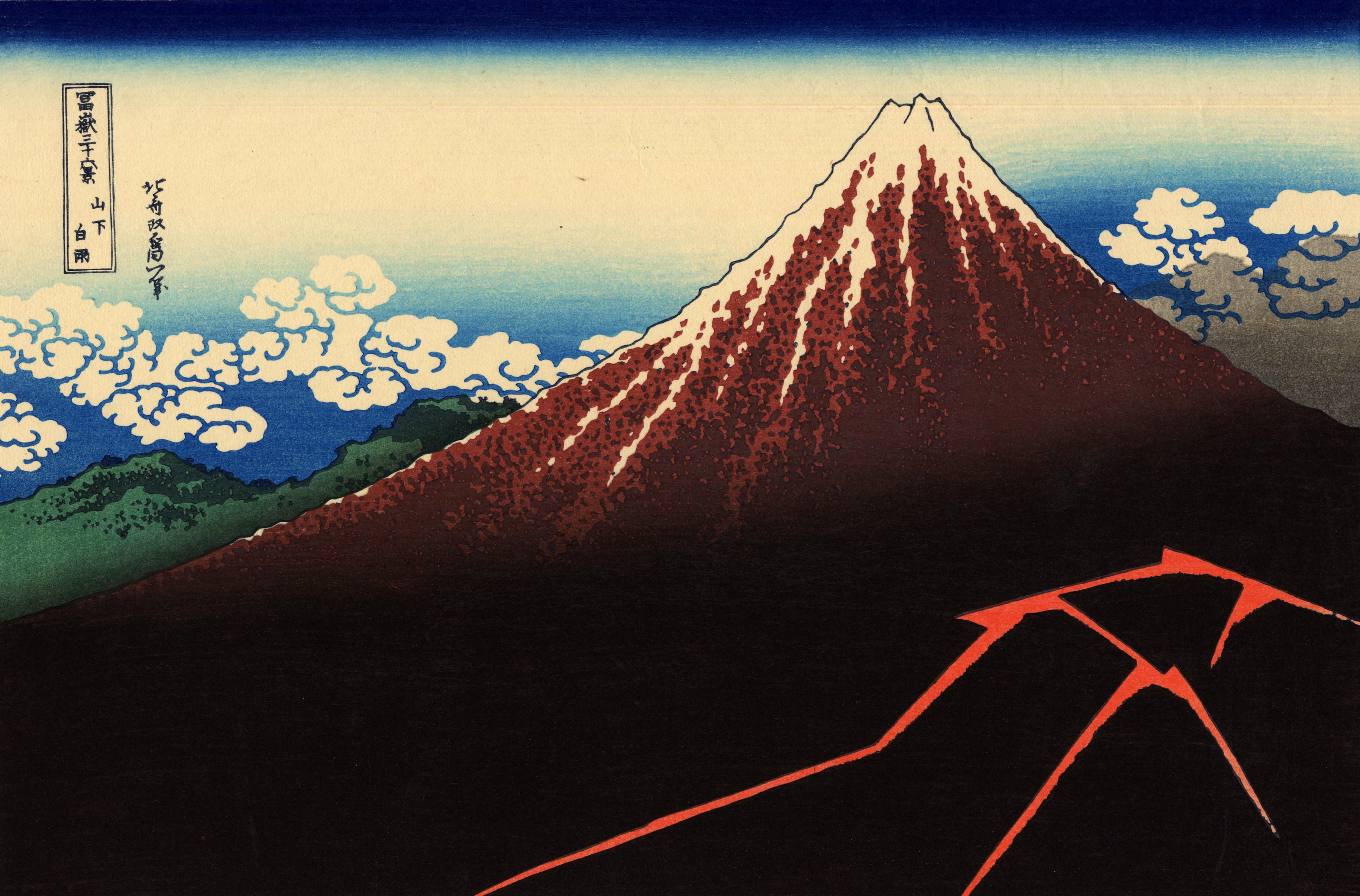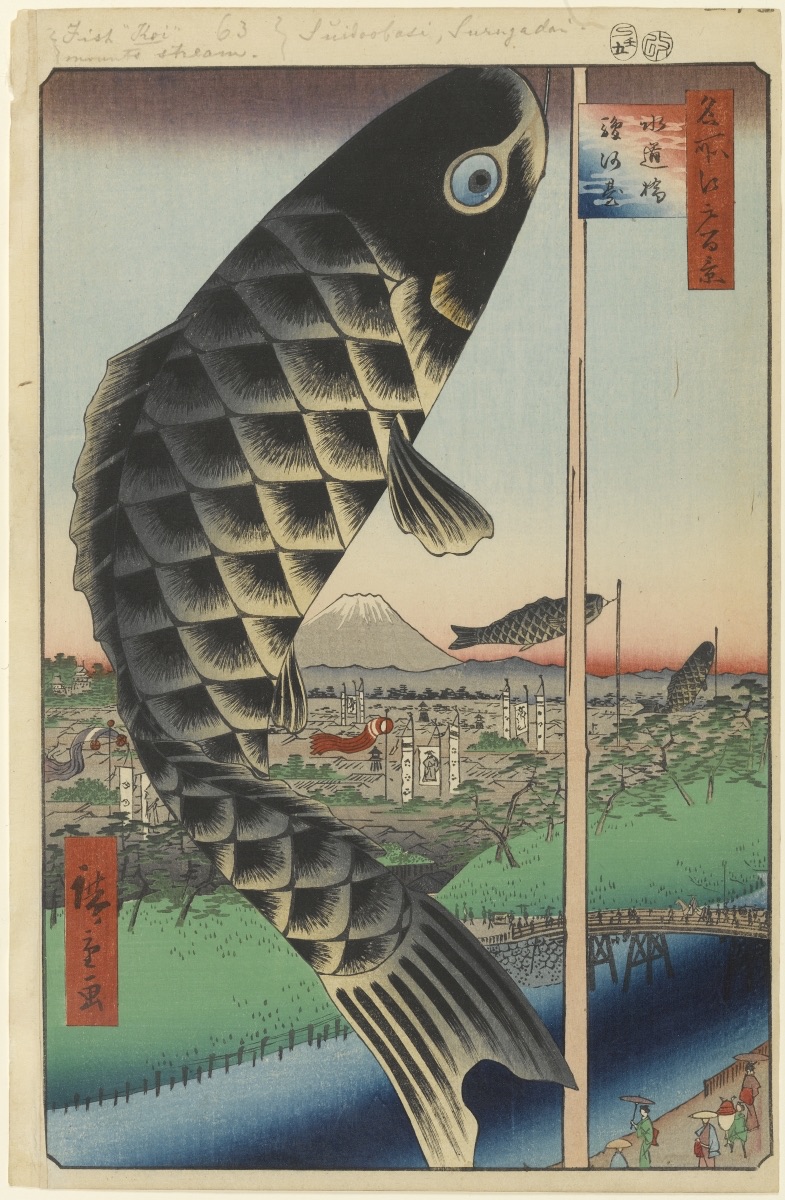
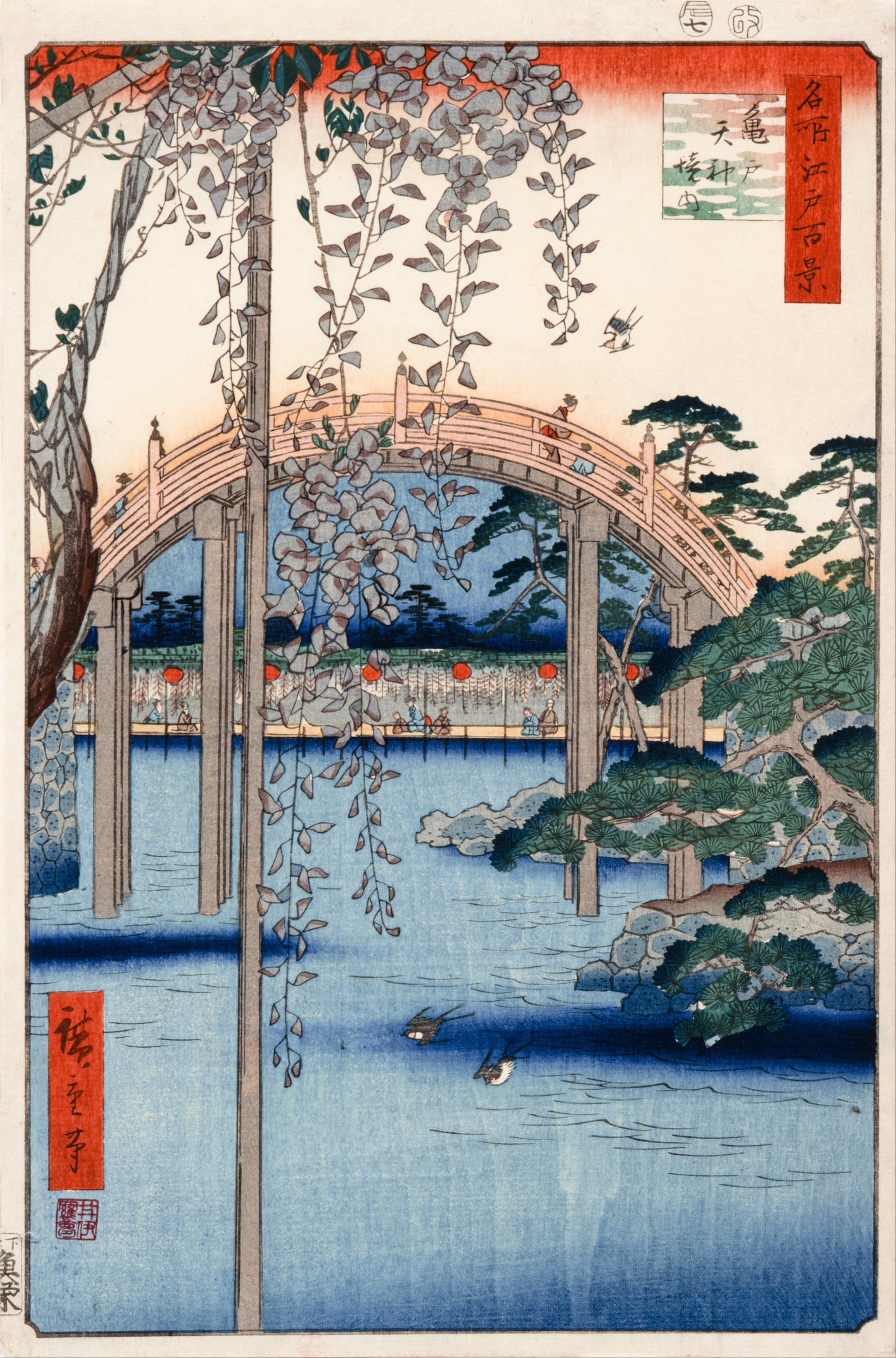
Once ukiyo-e catches your interest, the next instinct is to see the real thing.
Tokyo holds several museums with collections that rank among the finest in the world. Where to go, when to go, what to look for — by the end of this article, you’ll be ready to plan your own ukiyo-e day.
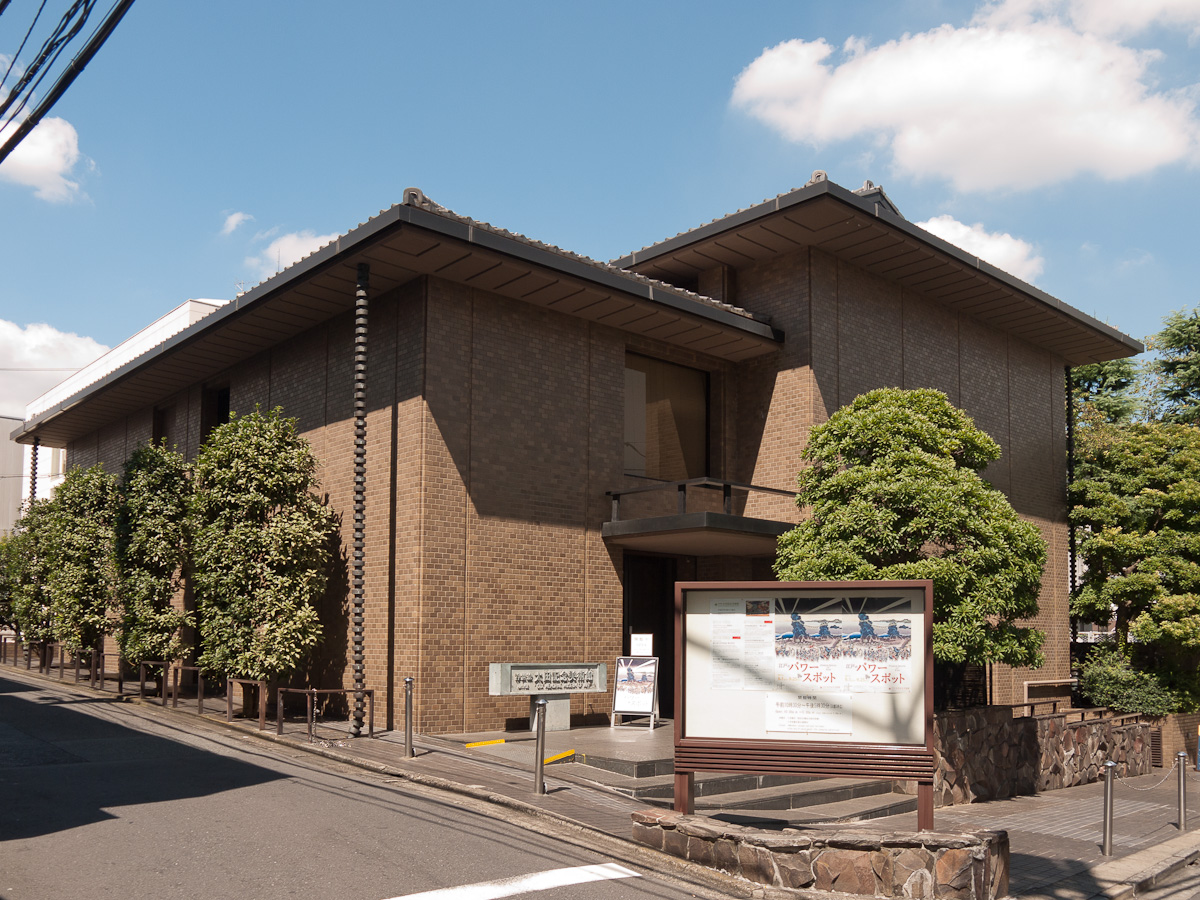
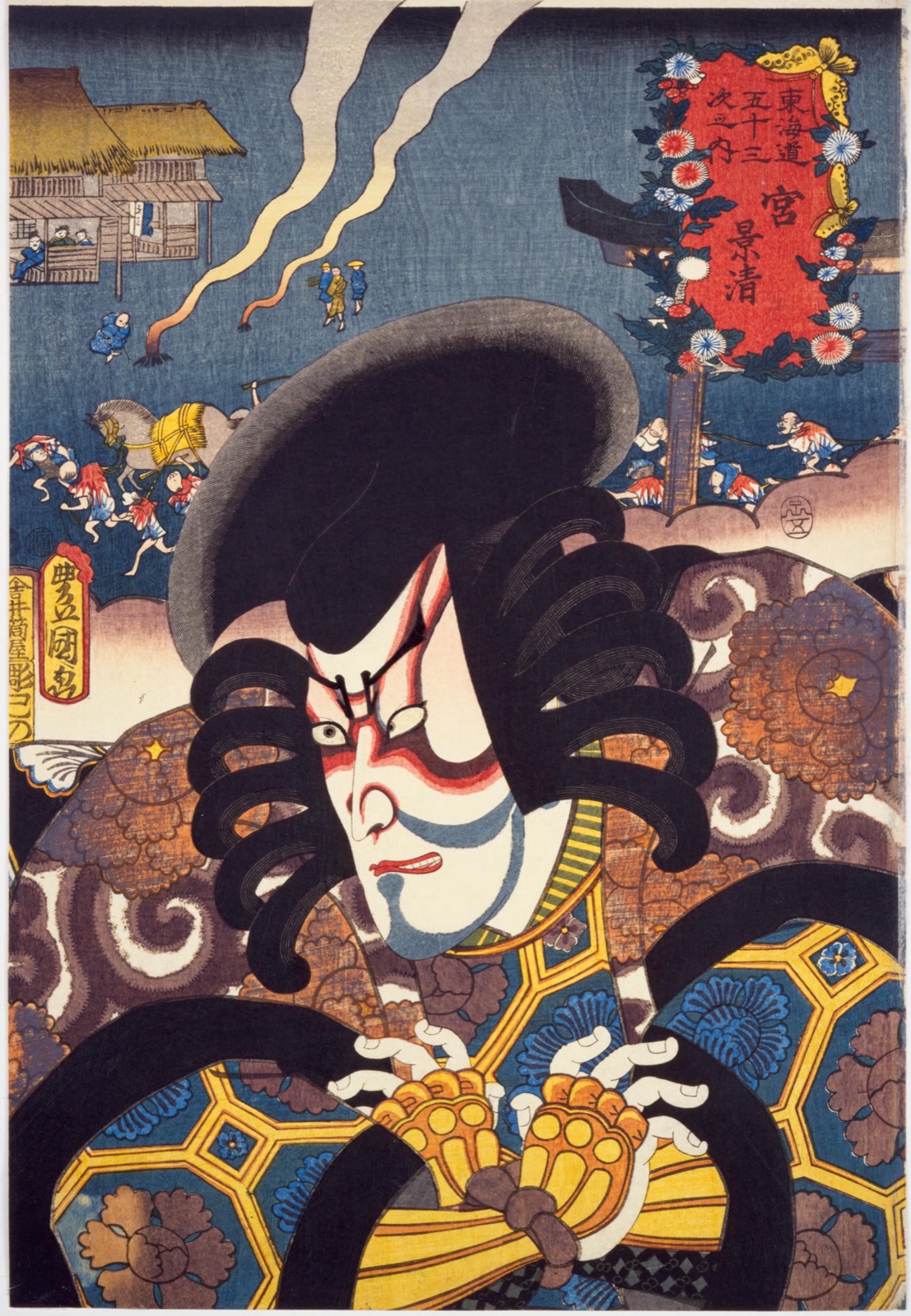
1. Ōta Memorial Museum of Art (Harajuku) — The Specialist’s Sanctuary
The foremost museum in Japan dedicated exclusively to ukiyo-e.
Exhibitions are thematic and rotate throughout the year: “Hokusai’s Waves,” “Utamaro’s Bijin-ga,” “Hiroshige’s Tōkaidō” — each show goes deep on a single subject, and that focus makes every visit satisfying, whether you’re a first-time visitor or a dedicated collector.
The galleries are compact, and that’s a virtue. Unlike the sprawling major museums, this space lets you spend real time with each work.
Aiiro’s tip: Check the current exhibition theme before you visit. Knowing what you’re about to see makes the connections between works far more visible.
Address
1-10-10 Jingumae, Shibuya-ku, Tokyo
Access
5 min. walk from Meiji-jingumae Station
Hours
10:30–17:30 (last entry 17:00)
Closed mid-month between exhibitions
Hours and schedules are subject to change. Please check the official website for the latest information.
2. Sumida Hokusai Museum (Sumida) — Hokusai’s Home Ground
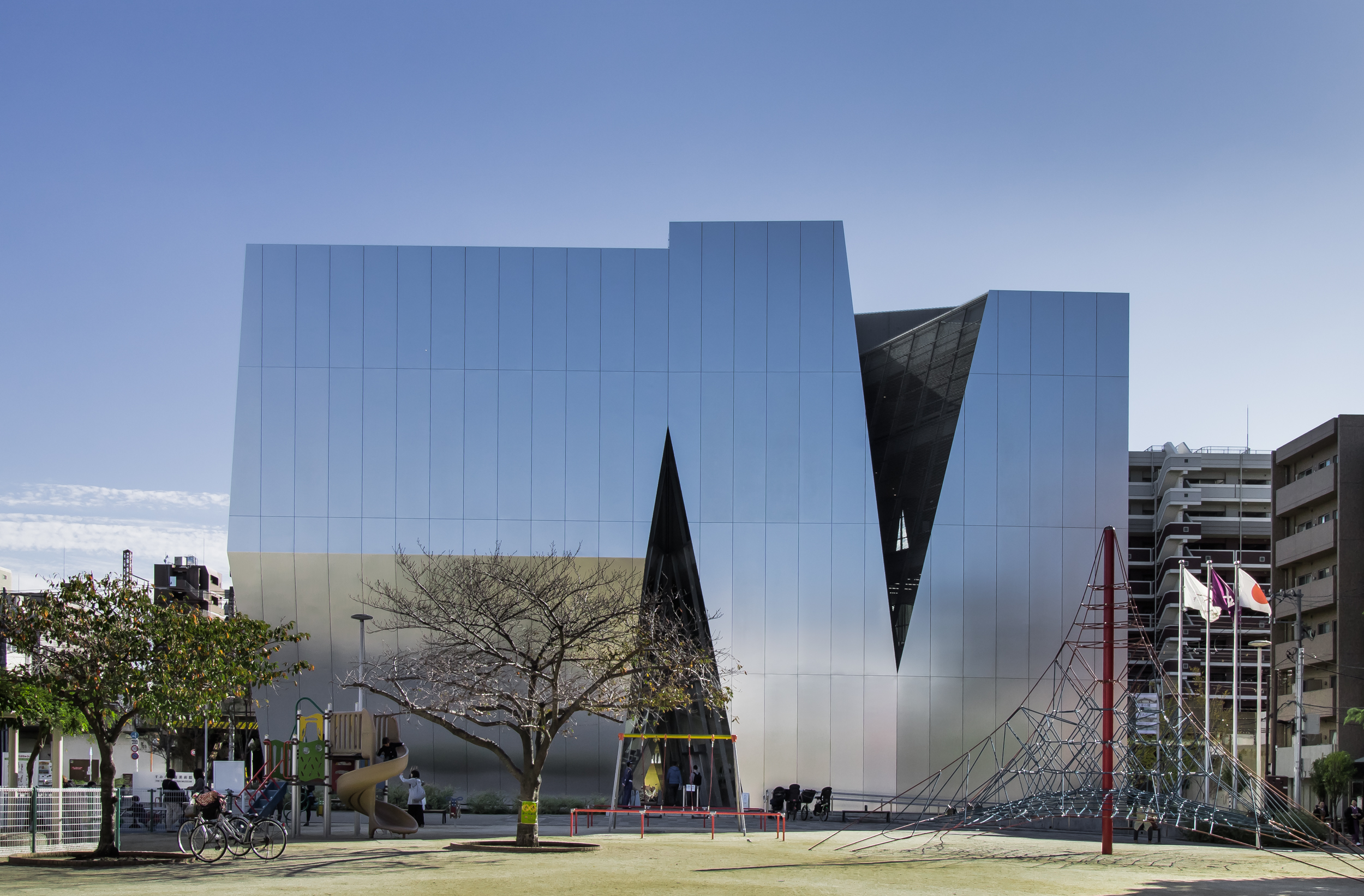
Built in the ward where Hokusai spent most of his life, this museum is dedicated entirely to him. The building — designed by architect Kazuyo Sejima, clad in aluminum panels — is itself something worth looking at.
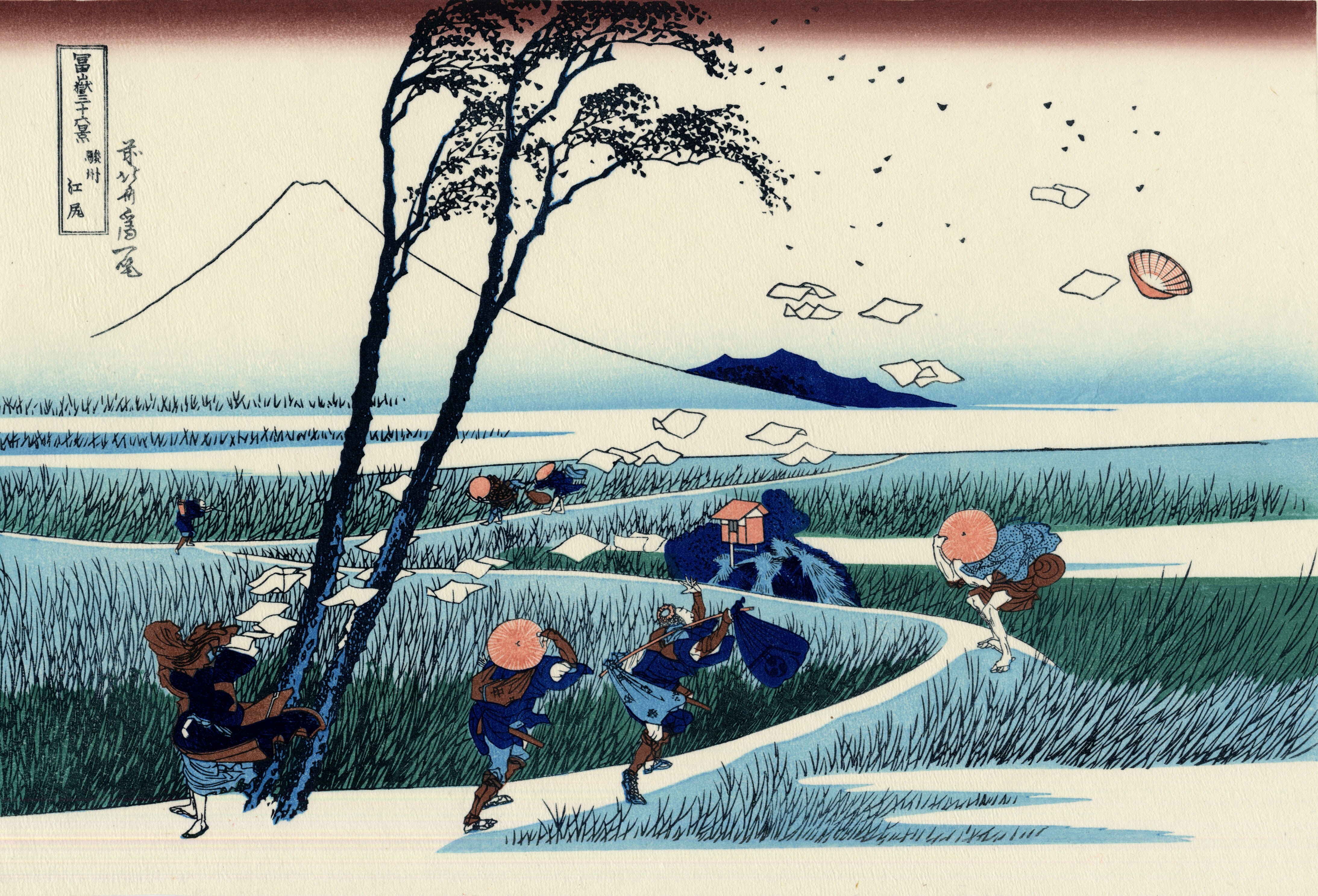
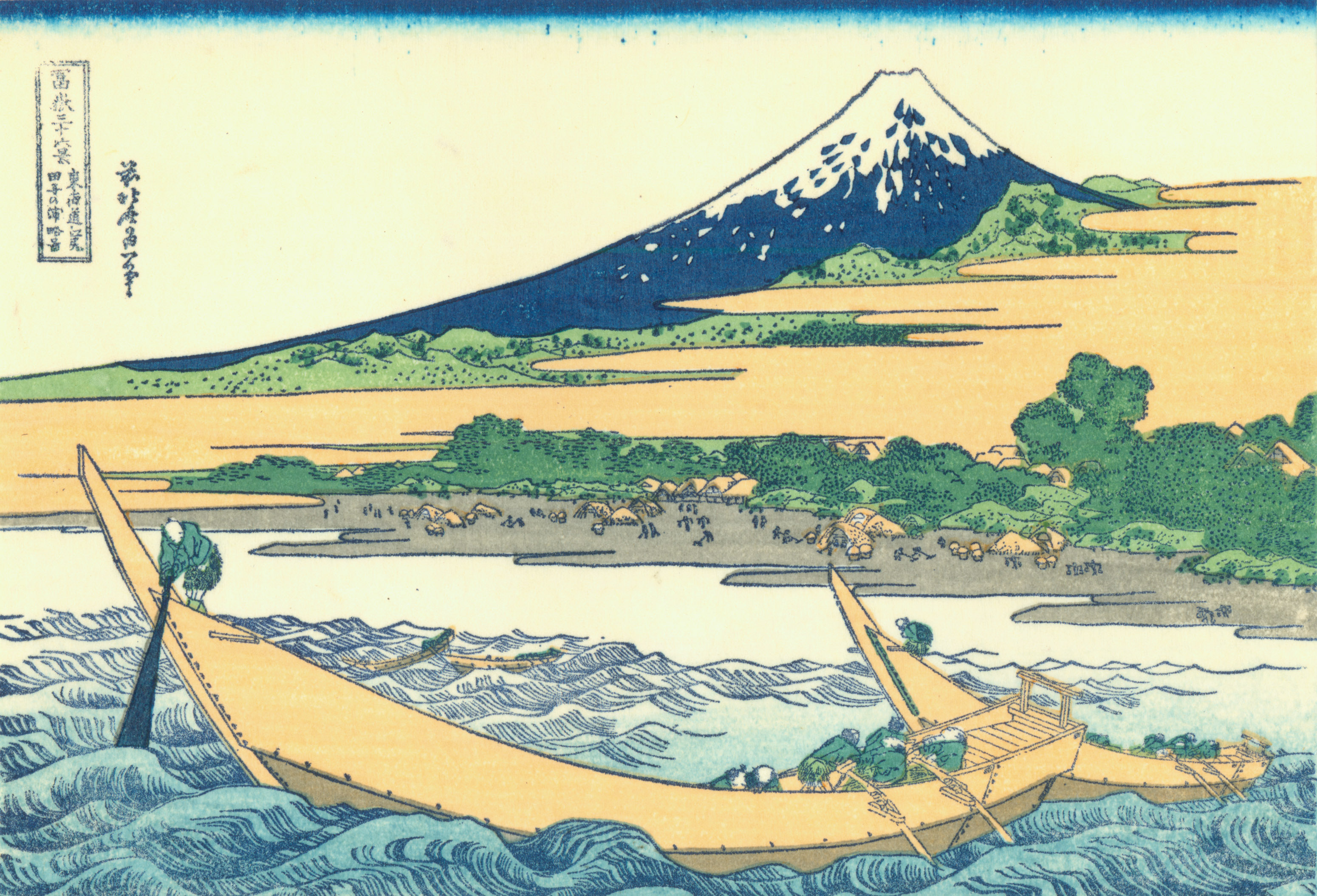
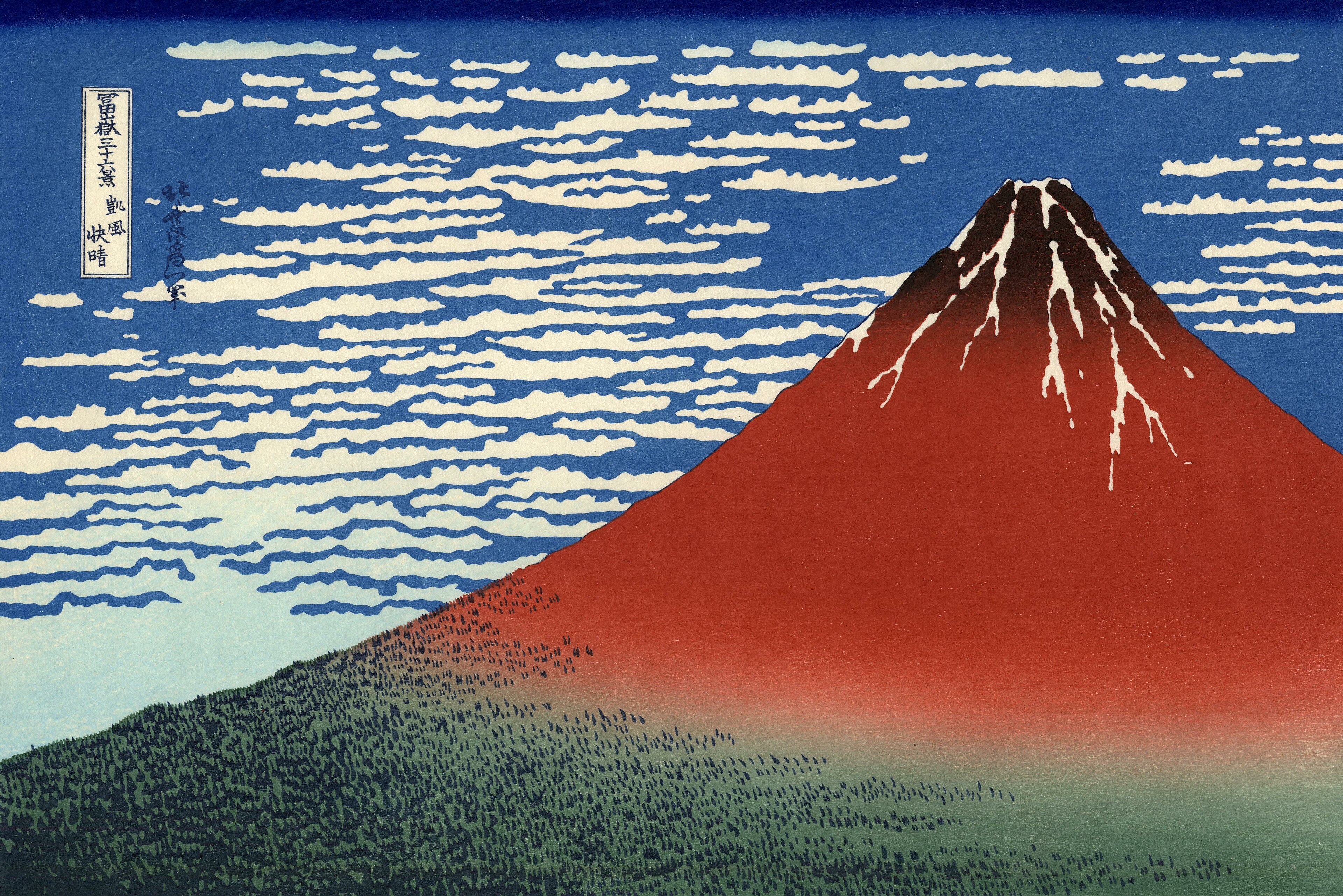
The permanent collection traces Hokusai’s career chronologically, and reproductions of the complete Thirty-Six Views of Mount Fuji are on display. When the timing of special exhibitions is right, original prints are shown too.
The Sumida neighborhood — old-Tokyo shitamachi energy, a little rough at the edges, full of character — adds something to the experience. Wandering through Ryōgoku or Kinshichō before or after your visit feels entirely right.
Now Showing at the Sumida Hokusai Museum (updated July 2026)
The museum is marking its 10th anniversary with Commemorating a Decade: Hokusai and Hiroshige — Two Maestros, Two Visions of Mount Fuji (June 23 – August 30, 2026), showing both artists’ Thirty-Six Views of Mount Fuji series. Hokusai’s bold, dynamic compositions and Hiroshige’s quieter, more lyrical Fuji — side by side, in one building. If you’re in Tokyo this summer, this is the one to plan around. Works are rotated partway through the run, so check the official site for what’s on display during your visit.
Aiiro’s tip: The museum shop in the basement is exceptionally good. The Hokusai merchandise is high quality, and some items are exclusive to this location.
Address
2-7-2 Kamezawa, Sumida-ku, Tokyo
Access
10 min. walk from Ryōgoku Station
Hours
9:30–17:30 (last entry 17:00)
Closed Mondays (and Tuesday if Monday is a holiday)
Hours and schedules are subject to change. Please check the official website for the latest information.
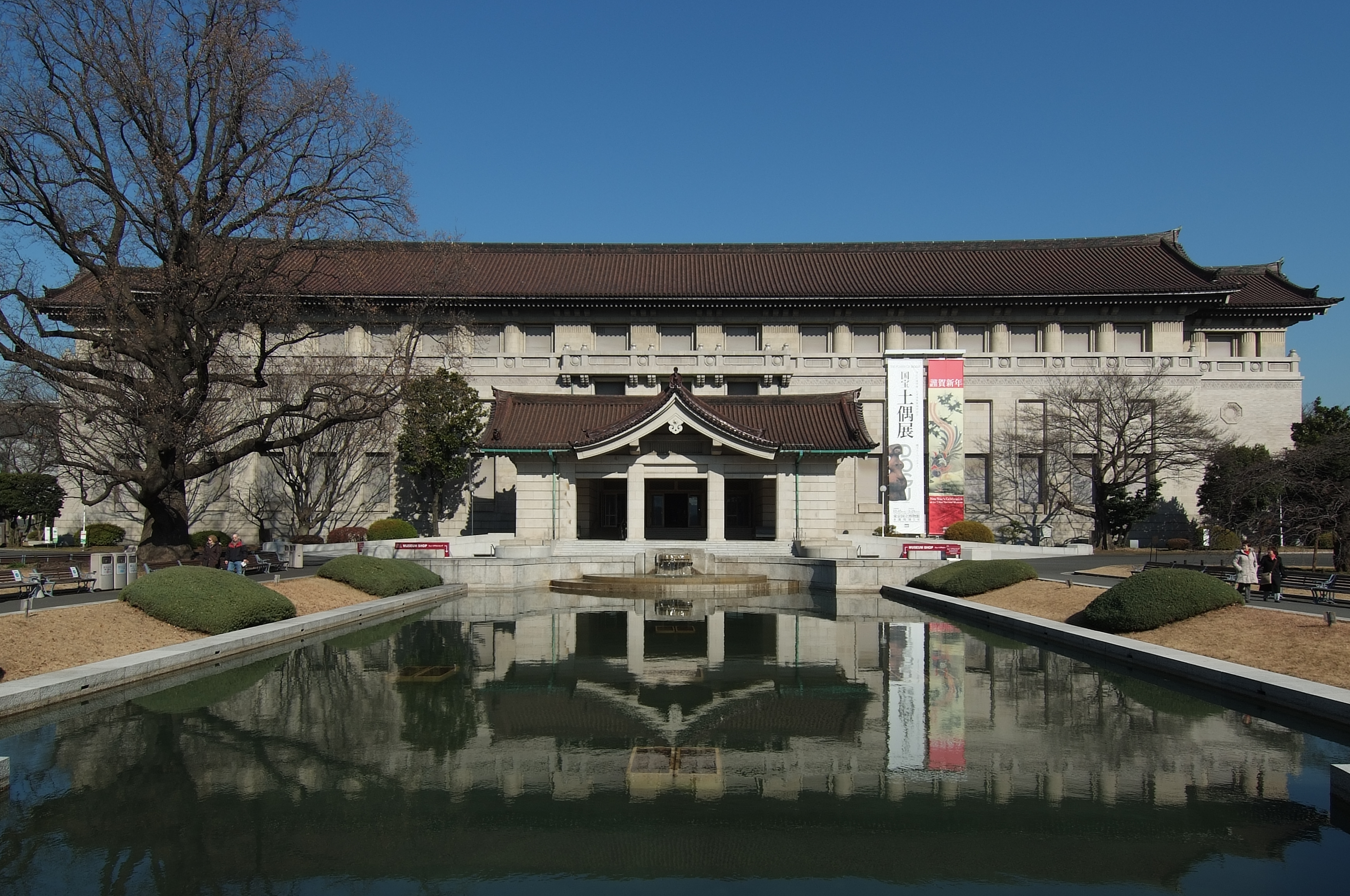
3. Tokyo National Museum (Ueno) — The Grand Scale
Not a specialist ukiyo-e museum, but its collection of prints is among the finest in the world for both depth and quality. Hokusai, Hiroshige, Utamaro, Sharaku — major works by all the key artists, gathered in one place.
One practical note: the rotation is frequent, and the specific work you want may or may not be on display during your visit. Always check the museum’s website before you go.
Ueno Park is also home to the Tokyo Metropolitan Art Museum and the National Museum of Western Art, which makes this corner of the city ideal for a full day of art.
Address
13-9 Uenokoen, Taito-ku, Tokyo
Access
10 min. walk from Ueno Station
Hours
9:30–17:00 (Fri & Sat until 20:00)
Closed Mondays (and Tuesday if Monday is a holiday)
Hours and schedules are subject to change. Please check the official website for the latest information.
4. What to Know Before You Visit
Check exhibition schedules carefully
Ukiyo-e originals are highly sensitive to light, and display time is strictly managed. Under Japan’s Law for the Protection of Cultural Properties, designated works may only be exhibited for up to 60 days per year. Original prints are governed by the same standards. Many museums — particularly the Ōta Memorial Museum — split their thematic shows into “early period” and “late period” runs, meaning an entirely different set of works may be on display in the second half of the same exhibition. If there’s a specific print you want to see, confirm its display dates before booking your trip.
Know the photography rules
Policies vary by museum. Where photography is permitted, flash is never allowed.
Use audio guides
The Tokyo National Museum’s audio guide is particularly strong. Following along while you look builds understanding at a pace that reading labels alone can’t match.
5. Worth the Journey Beyond Tokyo
Some of the best ukiyo-e collections in Japan are outside the capital.
The Kanagawa Prefectural Museum of Cultural History (Yokohama) concentrates on prints connected to the Kanagawa region. The Shizuoka Prefectural Museum of Art holds an outstanding Hiroshige collection. And throughout the country, smaller specialist galleries and museums often hold carefully chosen works that larger institutions overlook.
A dedicated guide to ukiyo-e collections across Japan — beyond Tokyo — is coming in a future article. There’s much more out there.
A Final Thought
Ukiyo-e looks completely different in person from how it looks on a screen or in a book.
The texture of the paper. The depth of the ink. The translucency of the color. These are things you can only understand by standing in front of the real thing. I hope this guide helps you find your way there.
References
- Ōta Memorial Museum of Art — ukiyoe-ota-muse.jp
- Sumida Hokusai Museum — hokusai-museum.jp
- Tokyo National Museum — tnm.jp
- Agency for Cultural Affairs, “Guidelines on the Public Display of National Treasures and Important Cultural Properties” — bunka.go.jp
Image Credits
- Cover image: Ōta Memorial Museum of Art, Harajuku, Tokyo
- Ōta Memorial Museum exterior: Photo by Rs1421, CC BY-SA 3.0, via Wikimedia Commons
- Sumida Hokusai Museum exterior: Photo by Kakidai, CC BY-SA 4.0, via Wikimedia Commons
- Tokyo National Museum (Honkan): Photo by Wiiii, CC BY-SA 3.0, via Wikimedia Commons